Things to do nearDestrehan Plantation
Destrehan Plantation is a beautifully preserved antebellum estate in Destrehan, Louisiana, celebrated for its Greek Revival architecture, rich Creole heritage, and unflinching exploration of the past.
Destrehan Plantation was built in 1787 by free man of color Charles Pacquet for the planter Robert Antoine Robin de Logny, making it one of the earliest surviving plantation structures in the lower Mississippi River Valley. The estate later passed to Jean-Noel Destrehan, a prominent Louisiana statesman who played a role in the Louisiana Purchase negotiations, and the family name has been attached to both the house and the surrounding community ever since.
The main house reflects a fascinating architectural evolution, beginning as a French Colonial raised cottage before being remodeled in the Greek Revival style that dominates its current appearance, with wide galleries, massive columns, and a broad hipped roof designed to catch river breezes. Inside, docent-led tours move through period-furnished rooms that illuminate the lives of the planter class while also engaging seriously with the history of the enslaved people who labored on the property.
The plantation's interpretive program stands out for its commitment to presenting a complete history, including the 1811 German Coast Uprising, one of the largest slave rebellions in American history, which unfolded in the very region surrounding Destrehan. The grounds include reconstructed outbuildings and interpretive signage that help visitors understand the full economic and social machinery of a working sugar and indigo plantation.
The setting itself, framed by ancient oaks along the east bank of the Mississippi, lends the visit a quiet gravitas that lingers long after you leave. Destrehan Plantation earns its place as one of Louisiana's most important historic sites precisely because it refuses to separate beauty from history.
7-day forecast
Tips for visiting Destrehan Plantation
Visit on a weekday morning to experience the grounds and manor house with smaller crowds and cooler temperatures before the afternoon humidity sets in.
Attend one of the seasonal heritage festivals, particularly the annual Fall Festival held each November, which features traditional crafts, food, and live music rooted in Louisiana culture.
Wear comfortable, flat-soled shoes, as the grounds include uneven brick pathways and grassy areas between the outbuildings and the river levee.
Take time to explore the reconstructed slave quarters and the interpretive exhibits within them, which provide essential context that deepens the entire visit.
Combine your trip with a drive along River Road to see several other historic plantation houses within a short distance of Destrehan.
Top tours & experiences near Destrehan Plantation
Explore a 4-Hour River Road Plantation Tour
Choose a River Road plantation and tour with a local docent
Explore Destrehan Plantation Guided Tour Combo
Tour Destrehan Plantation with guided house access and time to explore the grounds
Private New Orleans City & Destrehan Plantation Tour
Ride privately through New Orleans neighborhoods and visit a historic River Road plantation
Explore Houmas House & Destrehan Plantation Guided Tour
Visit Houmas House Estate and Gardens and Destrehan Plantation with flexible tour times
1-Hour Destrehan Plantation Guided Tour
Explore plantation history through stories of family, slavery, and pivotal events
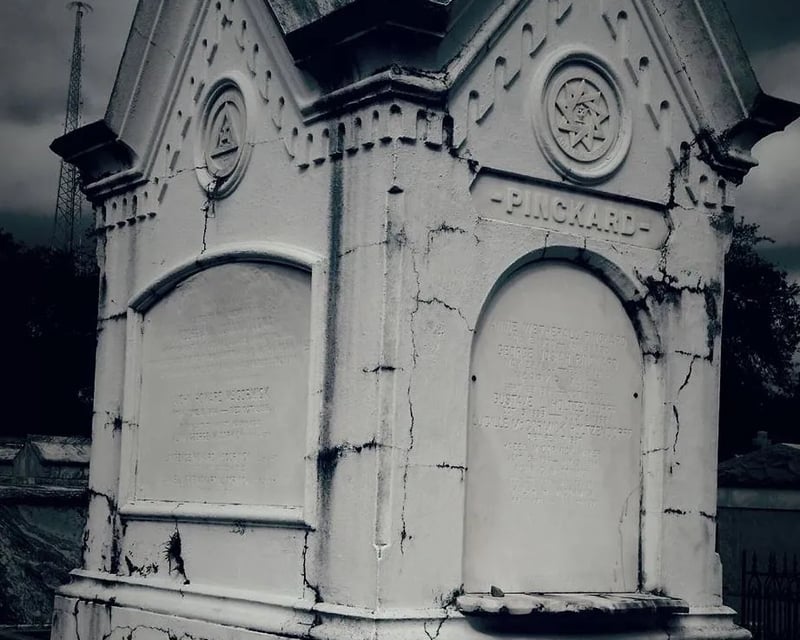
Haunted Destrehan Plantation & New Orleans Cemetery Tour
Tour Destrehan Plantation and New Orleans cemeteries at night by bus
Swamp Boat & Oak Alley Plantation Tour from New Orleans
Explore Oak Alley’s historic grounds and cruise the private Manchac Swamp
Guided 1811 Slave Revolt Tour at Destrehan Plantation
Trace Louisiana's history through stories of freedom, sugar, and change
Explore 2 River Road Plantations From New Orleans
Visit two River Road plantations with private transportation and docent-led tours
Night Ghost Hunting Tour at Destrehan Plantation
Investigate ghostly legends at Louisiana’s oldest documented plantation home
Explore a Night Haunted Plantation Tour at Destrehan
Explore Destrehan Plantation at night on a haunted history tour
Swamp Boat & River Road Plantation Tour from New Orleans
Explore Whitney's slavery-history museum and cruise the Manchac Swamp
Destrehan Plantation 1811 Slave Revolt Guided Tour
Trace the 1811 uprising at Destrehan Plantation with historical context and local lore
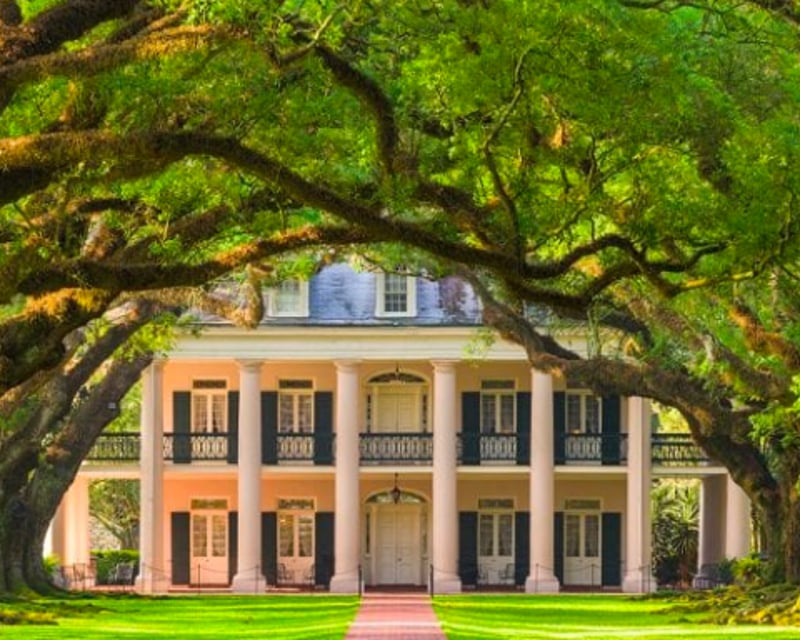
Tour Destrehan Plantation & Ride a Small Airboat
Tour Destrehan Plantation, then ride a 9-passenger airboat swamp tour
Fall Festival Admission in Destrehan
Browse handcrafted finds, family activities, Cajun and Creole food, and live entertainment
6.5-Hour Destrehan Plantation & Airboat Swamp Tour
Step through plantation history, then race across Louisiana swamps by airboat
Destrehan Plantation & Covered Swamp Boat Tour
Pair plantation history with a narrated covered boat ride through Louisiana swamps