Things to do nearGuana Tolomato Matanzas National Estuarine Research Reserve
Guana Tolomato Matanzas National Estuarine Research Reserve in northeastern Florida protects a sweeping mosaic of estuaries, barrier islands, and tidal marshes teeming with native wildlife.
Guana Tolomato Matanzas National Estuarine Research Reserve spans roughly 73,000 acres along the northeastern Florida coast, making it one of the largest reserves in the National Estuarine Research Reserve System. The land holds layers of history, from the Indigenous peoples who harvested oysters along these shores for thousands of years to the Spanish colonial era that shaped the region's name and character. The Matanzas and Tolomato rivers, both tidal estuaries, run through the reserve and support extraordinary biodiversity, including sea turtles, manatees, ospreys, roseate spoonbills, and dozens of fish species that depend on the estuary as nursery habitat.
Visitors can explore the reserve on foot along unpaved trails through scrub, flatwoods, and maritime hammock, or by kayak and canoe through the winding tidal creeks. The Guana River Wildlife Management Area within the reserve offers freshwater and brackish fishing opportunities, and the pristine beach along the Atlantic side draws those seeking an uncrowded stretch of shoreline far from resort development.
The reserve's research station conducts long-term monitoring of water quality, habitat change, and species populations, giving the site a dual identity as both a natural sanctuary and an active scientific facility. The atmosphere throughout is quiet and unmanicured, defined by the rhythms of the tide rather than visitor infrastructure. For anyone drawn to coastal Florida as it existed before widespread development, Guana Tolomato Matanzas National Estuarine Research Reserve represents one of the most authentic and rewarding natural destinations in the state.
7-day forecast
Chance of rainTips for visiting Guana Tolomato Matanzas National Estuarine Research Reserve
Visit during early morning hours when shorebirds and wading species are most active along the tidal flats and creek edges.
Bring insect repellent year-round, as mosquitoes and biting flies are persistent in the marsh and forest areas.
Try the hiking and paddling trails near the Guana River, where you can observe bottlenose dolphins moving through the estuary at low tide.
Pack water and sun protection, as shade is limited along the barrier island beach sections and temperatures rise quickly in summer.
Time a visit to the reserve's environmental education center to learn about ongoing research into estuarine ecology and coastal conservation efforts.
Top tours & experiences near Guana Tolomato Matanzas National Estuarine Research Reserve
2-Hour Guided Kayak Tour on Matanzas River
Kayak the Matanzas River for wildlife viewing and dynamic tides
Matanzas River Estuary Kayak Eco Tour in Marineland
Kayak the Matanzas River Estuary with a naturalist-trained guide
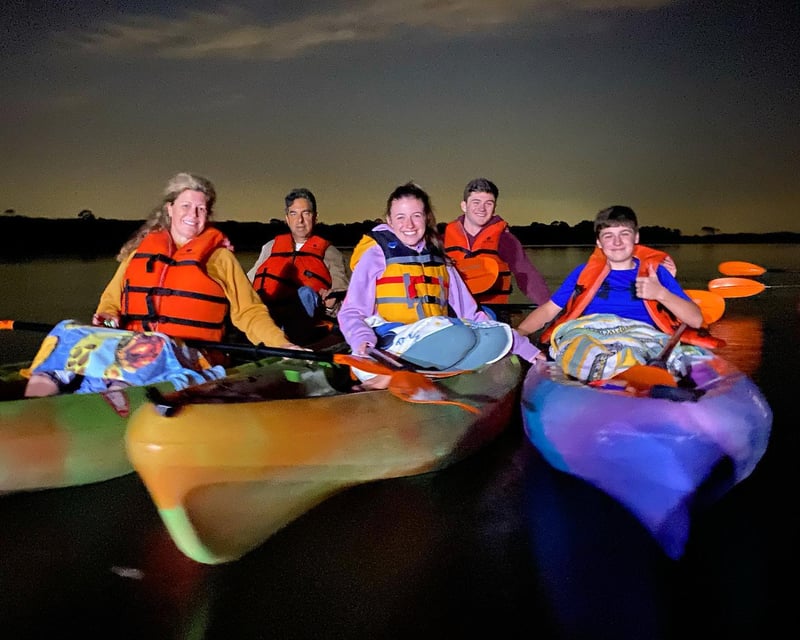
Paddle Glowing Waters at Sunset: 2-Hour Kayak Tour
Start earlier and spend more time on this 2-hour tour
Sunset Guided Kayak Tour in St. Augustine
Paddle a guided sunset eco tour with a lighted firefly kayak
Self-Guided Kayak Rental in St. Augustine
Rent a kayak at Marineland Marina and explore the GTM Reserve at your own pace