Things to do nearSan Juan Islands
The San Juan Islands, a remote Pacific Northwest archipelago in Washington State, draw visitors with whale watching, sea kayaking, and unhurried island life.
The San Juan Islands are an archipelago of more than 170 named islands and rocks sitting in the Salish Sea between Washington State and British Columbia. Only a handful are accessible by Washington State Ferry, with San Juan Island, Orcas Island, and Lopez Island drawing the most visitors. The region has a layered history shaped by Indigenous Coast Salish peoples, British and American territorial disputes in the nineteenth century, and a later wave of farming and fishing communities that still leave their mark on the landscape today.
On land, Orcas Island is home to Moran State Park, where forested trails climb to the summit of Mount Constitution and open onto sweeping views of the surrounding waterways and the distant Cascade and Olympic ranges. San Juan Island National Historical Park preserves the sites of both the American and British camps from the so-called Pig War boundary dispute of the 1850s, offering a quirky and fascinating chapter of Pacific Northwest history. Lopez Island, flatter and quieter than its neighbors, is popular with cyclists who appreciate its gentle roads and the warmth of its small local community.
The waters surrounding the San Juan Islands are among the best places in North America to observe orca whales in the wild. Southern Resident killer whales frequent the channels during summer months, and numerous whale watching tours operate out of Friday Harbor. Sea kayaking, sailing, and wildlife cruises round out the options on the water, while tidepooling along rocky beaches reveals sea stars, anemones, and hermit crabs up close.
The dining scene across the islands leans on what the surrounding waters and farms produce, from fresh oysters and salmon to locally grown produce. For anyone seeking a combination of natural drama, outdoor activity, and genuine remoteness within reach of Seattle, the San Juan Islands offer an experience that is hard to replicate anywhere else on the West Coast.
7-day forecast
Chance of rainTips for visiting San Juan Islands
Visit during the spring shoulder season, typically April through early June, when wildflowers bloom on the prairies and crowds remain manageable on the ferries and trails.
Stop into the office first thing in the morning, when staff have the most time to walk you through current trail conditions, wildlife sightings, and access points across the monument.
Bring sturdy waterproof footwear, as many monument parcels involve rocky intertidal zones and forest paths that stay muddy well into summer.
Ask staff about the English Camp and American Camp units of San Juan Island National Historical Park nearby, which complement the monument and share the island's layered history.
Pick up a printed monument map at the office, since cell service is unreliable on several of the smaller islands and outlying parcels within the monument boundary.
Top tours & experiences near San Juan Islands
Deer Harbor Whale Watching with Naturalists
Spot orcas, humpbacks, and minke whales on an educational cruise led by expert naturalists
Orcas Island Summer Sunset Cruise
Savor golden-hour views and wildlife on a relaxed 2-hour evening cruise
Bioluminescence Kayak Tour in Deer Harbor
Paddle Deer Harbor at night and look for glowing plankton
Private Salish Sea Birding Cruise From Anacortes
Cruise the Salish Sea on a private birding tour for up to 6 people
Orcas Island 3–5 Hour Orca Whale Watching Cruise
Cruise the San Juan Islands on a small-group orca watch with a free return trip if you don’t spot whales
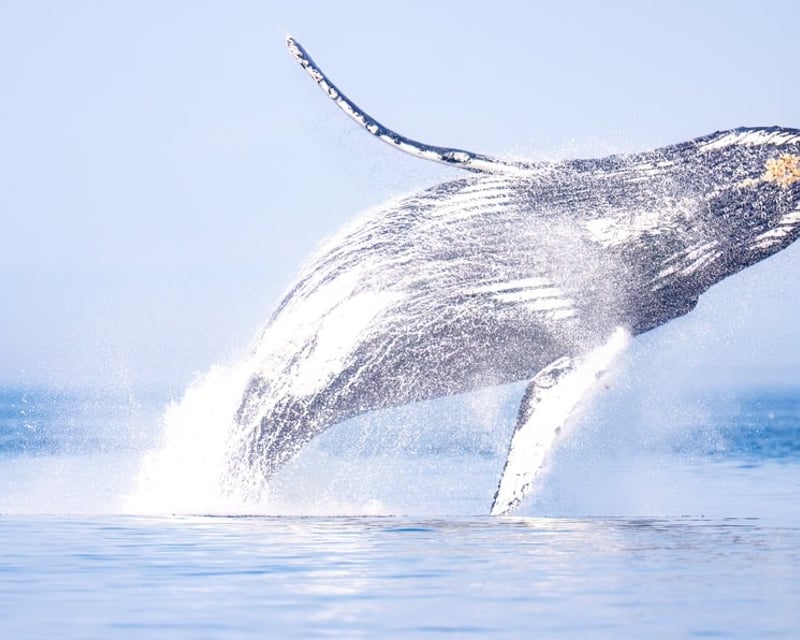
Private Whale Watching & Wildlife Tour in Anacortes
Cruise the San Juan Islands on a private whale and wildlife tour for up to 6
Orcas Island Crab Boil Dinner Cruise
Crack local Dungeness crab and dine along Orcas Island waterways
San Juan Islands Afternoon Cruise
Slow down and enjoy an easygoing cruise through the San Juan Islands