Things to do nearShackleford Banks
Shackleford Banks is an uninhabited barrier island off the North Carolina coast, celebrated for its free-roaming wild horses, pristine beaches, and unspoiled maritime landscape.
Shackleford Banks stretches roughly nine miles along the southern edge of the Cape Lookout National Seashore in Carteret County, North Carolina. The island has been uninhabited since the late nineteenth century, when a series of powerful hurricanes prompted the last permanent residents to relocate to the mainland. Before that, a small fishing community known as Diamond City once thrived here, and the remnants of that history lend the island a quiet, layered character that goes beyond its natural beauty.
The most celebrated residents of Shackleford Banks are its wild horses, a herd descended from Colonial-era Spanish mustangs that have roamed freely here for hundreds of years. The herd is managed by the Foundation for Shackleford Horses in cooperation with the National Park Service, and observing these animals in their natural habitat is an experience that few other places in the eastern United States can offer. Visitors walk the beach and interior maritime shrub thickets hoping to spot small family bands grazing, resting, or moving between the dunes and the sound-side marsh.
Beyond the horses, Shackleford Banks draws beachcombers, shell collectors, anglers, and kayakers drawn to its calm sound waters. The shoreline yields an impressive variety of shells, and the surf fishing along the Atlantic side is productive throughout much of the year. The island sits directly across from Beaufort Inlet, and views of passing vessels and the Cape Lookout Lighthouse on the adjacent island add to the sense of place.
Shackleford Banks is worth visiting because it offers something increasingly rare along the Atlantic coast, a barrier island that feels genuinely wild, where the natural world sets the terms and visitors are simply guests passing through.
7-day forecast
Tips for visiting Shackleford Banks
Arrive by ferry from Beaufort or Harkers Island early in the morning, when the light is soft and the horses are most active near the dunes.
Bring everything you need for the day, including fresh water, sunscreen, and snacks, as there are no facilities or vendors on the island.
Wear water shoes for the ferry landing, where you will wade through shallow water to reach the beach.
Keep a respectful distance of at least 50 feet from the wild horses at all times, as they are protected and can be unpredictable.
Visit in late spring or early fall to enjoy mild temperatures and fewer visitors than the peak summer season.
Top tours & experiences near Shackleford Banks
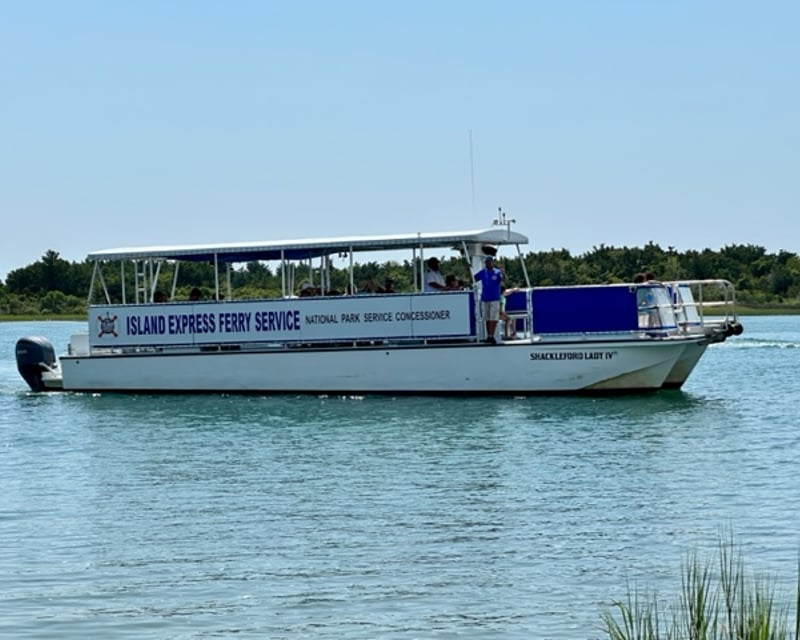
Ride a Round-Trip Ferry to Shackleford Banks
Beaufort ferry to Shackleford Banks with frequent summer departures
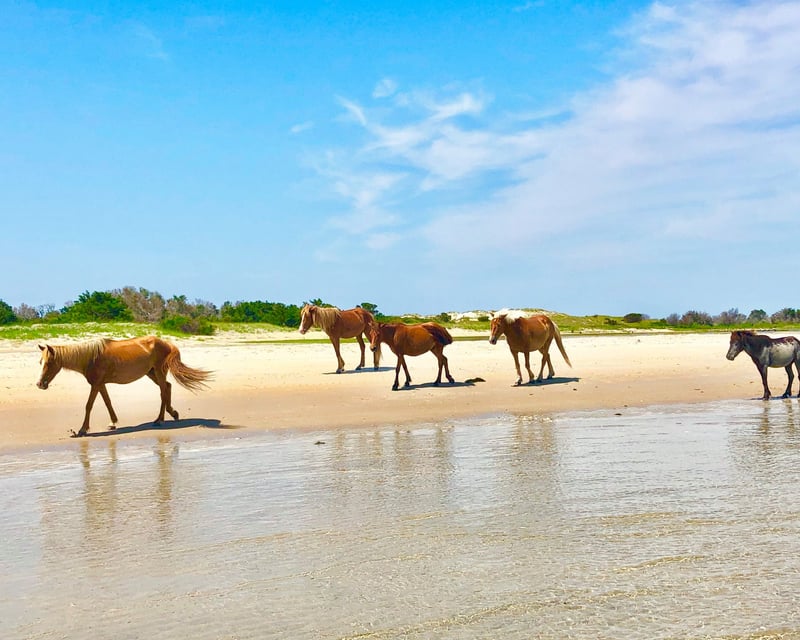
Shackleford Banks Wild Horse & Shelling Tour from Beaufort
Join a Naturalist to track wild horses and find shells on Shackleford Banks
Morehead City Private Waterways Cruise
Cruise private coastal waterways past Beaufort, barrier islands, and wild-horse habitat
Cape Lookout Wild Horse & Lighthouse Charter
Explore Cape Lookout’s islands, lighthouse grounds, and coastal waterways
Ride a Ferry to Shackleford Banks & Cape Lookout
Visit Shackleford Banks and Cape Lookout Lighthouse by ferry from Harkers Island
Private Shackleford Banks Wild Horse & Sand Dollar Boat Tour
Tour two islands for sand dollars and a chance to spot wild horses
Ride a Round-Trip Ferry to Cape Lookout Lighthouse
Quick round-trip ferry to Cape Lookout Dock, with summer departures every 30 minutes
Wild Horse Boat Tour in Atlantic Beach
Search for sand dollars, explore Shackleford Banks, and visit Cape Lookout Lighthouse
Round-Trip Ferry Ride to Shackleford Banks
Ride the ferry from Harkers Island Visitor Center to Shackleford Banks
Private Sunset & Dolphin Cruise in Morehead City
Cruise the Crystal Coast at sunset on a private boat
Explore Rachel Carson Reserve Private Boat & Walk Tour
Private boat cruise and guided walk on Rachel Carson Reserve
Boat Handling Lesson on Bogue Sound & ICW
Learn to handle your own boat with hands-on coaching from Captain Mark
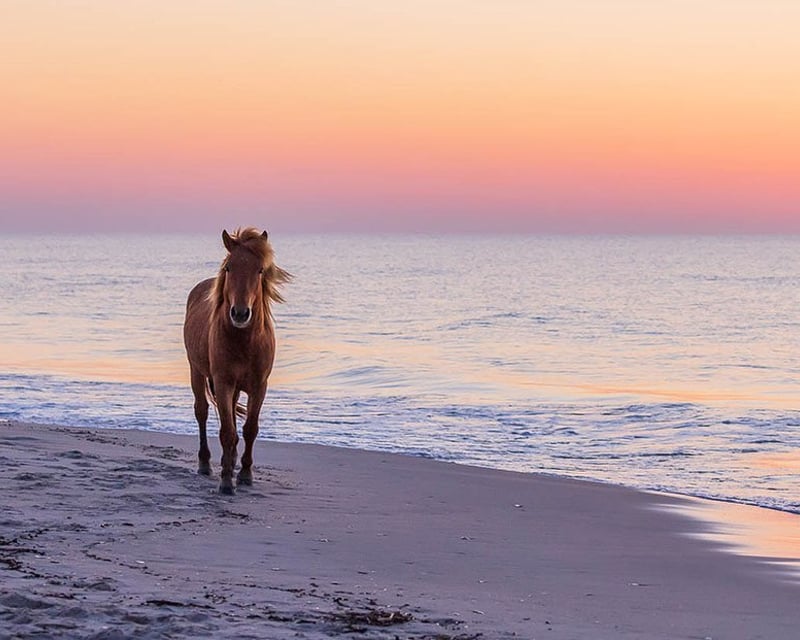
See Wild Horses & Dolphins at Sunset in Beaufort
Enjoy a narrated sunset cruise with dolphin spotting and an hour on Shackleford Banks.
Explore Shackleford Banks on a Low-Tide Shelling Tour
Search for shells on a guided low-tide walk at Shackleford Banks
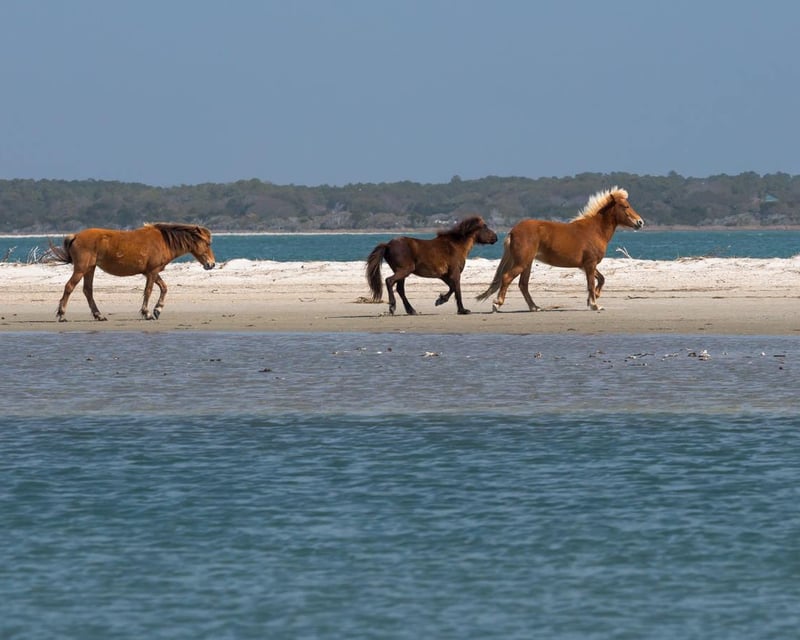
Ride a Ferry to Cape Lookout Lighthouse From Beaufort
Take the authorized ferry straight to Cape Lookout Lighthouse
Guided Wild Horse Tour of Shackleford Banks
Walk Shackleford Banks with a naturalist and search for wild horses and shells
Sunset Dolphin & Wild Horse Cruise From Beaufort
Cruise at sunset with a 1-hour Cape Lookout stop
Fireworks Cruise to Cape Lookout From Harkers Island
Cruise past Shackleford Banks and watch fireworks after a Cape Lookout stop