Things to do nearBig Cypress National Preserve
Big Cypress National Preserve in Florida's Big Cypress Swamp offers vast wetlands, rare wildlife, and some of the most remote backcountry in the American South.
Big Cypress National Preserve was established in 1974, becoming one of the first national preserves in the United States and marking a significant shift in how the federal government approached land conservation in South Florida. The preserve sits just north of Everglades National Park and functions as a critical freshwater recharge area, sending seasonal sheet flow southward to sustain the broader Everglades ecosystem. Visitors move through a mosaic of wet prairies, dwarf cypress flats, hardwood hammocks, and pine uplands, each habitat sheltering its own community of plants and animals.
The Florida panther, one of the most endangered mammals in North America, still roams these remote interior lands, and the preserve represents one of its last viable breeding territories. Birdwatchers find the area exceptional, with snail kites, limpkins, anhingas, and a wide range of wading birds present throughout the year.
Hiking trails range from short boardwalk loops to multi-day backcountry routes, while off-road vehicle trails attract swamp buggy and airboat enthusiasts who have used these lands for generations under a system of traditional use permits that predates the preserve itself. The small community of Ochopee, located along the Tamiami Trail, is home to what is often cited as the smallest post office in the United States, a converted irrigation shed that has become a roadside curiosity in its own right.
For anyone drawn to raw, unhurried wilderness where the natural world operates largely on its own terms, Big Cypress National Preserve offers an encounter with South Florida that few other places can match.
7-day forecast
Chance of rainTips for visiting Big Cypress National Preserve
Visit during the dry season, roughly November through April, when water levels drop, wildlife concentrates around remaining pools, and mosquito pressure is far more manageable.
Try paddling the Turner River canoe trail, a slow-moving route through mangrove tunnels and open marsh that regularly yields sightings of wood storks and river otters.
Bring waterproof boots rated for prolonged immersion, as even marked trails can require wading through shallow water during and after the wet season.
Stop at the Oasis Visitor Center on US 41 to scan the canal out front, where American alligators gather in numbers that make for one of the easiest wildlife-viewing stops in the preserve.
Time a night drive along Loop Road after dark for a chance to spot white-tailed deer, barred owls, and the occasional Florida panther crossing the unpaved track.
Top tours & experiences near Big Cypress National Preserve
Full-Day Everglades Kayak Rental in Everglades City
Paddle the Everglades with gear and boardwalk admission included
Full-Day Kayak & Paddleboard Rental Pickup in Naples
Grab quality kayaks or paddleboards from the shop and explore Southwest Florida waters for up to eight hours.
Explore Everglades National Park by Boat & Kayak
Reach remote Everglades National Park areas by boat, then kayak and walk with your guide
Private Kayak Eco Tour in Big Cypress National Preserve
Quiet Everglades paddling with wildlife-viewing opportunities
Private Manatee & Dolphin Sunset Cruise in Naples
Reserve a private 3-hour sunset cruise for up to 6 passengers
Fakahatchee Strand 4-Hour Jeep Safari
Journey by Jeep into Florida's cypress strand with native Everglades guides
Guided Elevated Swamp Buggy Tour of Big Cypress
Ride high above Big Cypress terrain with a local guide on an elevated swamp buggy
Everglades National Park Mangrove Boat Tour
Glide through the Ten Thousand Islands' mangrove backcountry with an expert guide
Everglades Full-Day Guided Safari From Miami
Explore the Everglades by airboat, boat, and wildlife drive with a naturalist guide
Mangrove Tunnel Kayak Eco Tour near Everglades City
Paddle beneath a mangrove canopy in North America's largest mangrove forest
Private Everglades Pole Boat Eco Tour
Glide through shallow Everglades waterways on a private guided pole boat
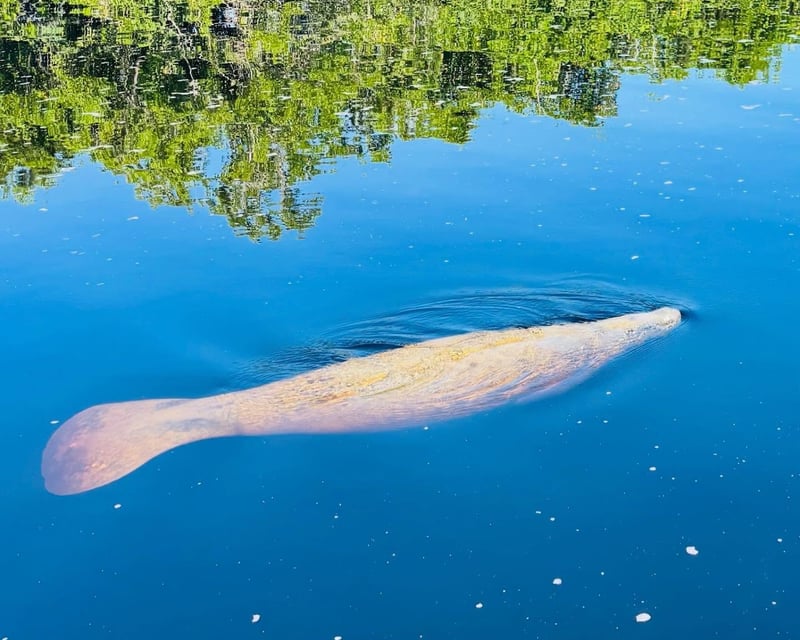
Naples Dolphin & Manatee Eco Tour with Beach Time
Spot dolphins and manatees, then relax on a secluded 10,000 Islands beach in a smooth-water eco cruise
Big Cypress Dark Sky Guided Tour
Explore Big Cypress beneath the stars from a safari-style jeep
Private Guided Swamp Buggy Tour in Ochopee
Set your own pace on a private buggy adventure through cypress country
Private Mangrove Tunnel Kayak Eco Tour in Everglades City
Explore mangrove tunnels with a private guide and a route shaped around your interests
Private Orchids & Alligators Kayak Tour Near Everglades City
Paddle beneath mangrove canopies on a private tour shaped around your interests
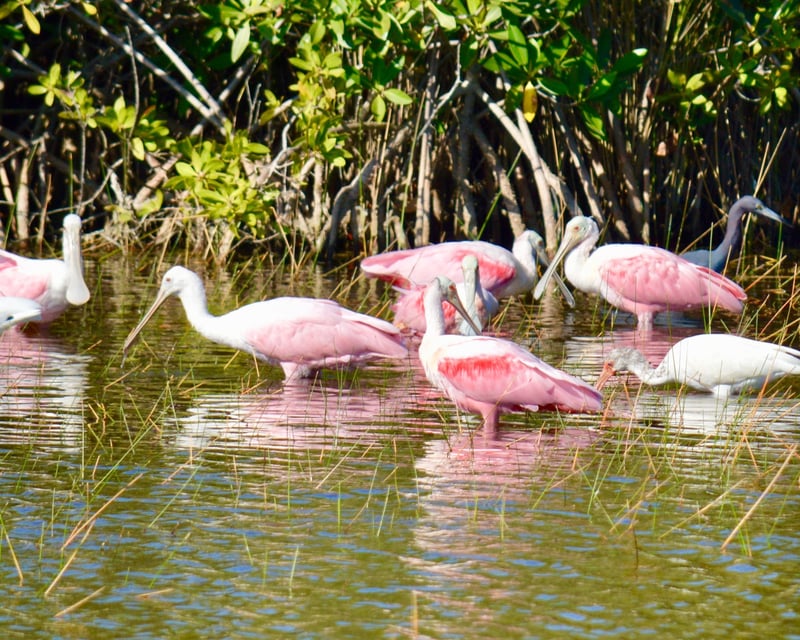
Private 10,000 Islands Manatee & Dolphin Tour from Naples
Experience wildlife, beach time, and shelling on a private boat tour for your group.
5-Hour Family Jeep Tour of the Everglades
A guided family Jeep journey through wild Everglades habitats
Private Big Cypress Swamp Buggy Tour
Reach Big Cypress backcountry by private elevated swamp buggy
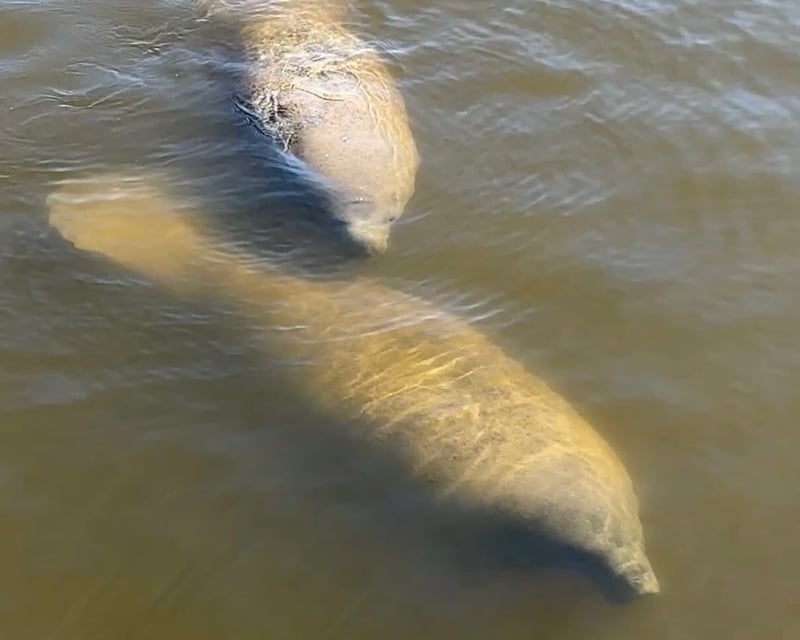
Spot Manatees on a Naples Wildlife Boat Tour
Cruise Port of the Islands in a small group to look for manatees and other wildlife
Airboat, Swamp Buggy & Big Cypress National Preserve Tour
Discover the Everglades' varied habitats with a naturalist or biologist
Sunset Mangrove Boat Tour in Everglades National Park
Explore low mangrove tunnels and take in the sunset from the water