Things to do nearHonolulu Watershed Forest Reserve
Honolulu Watershed Forest Reserve is a lush highland sanctuary in Hawaii, offering native forest trails, rare endemic wildlife, and sweeping views above the city.
The Honolulu Watershed Forest Reserve occupies a critical stretch of the Ko'olau Range on the island of O'ahu, managed to protect both biodiversity and the freshwater supply that flows down to Honolulu and surrounding communities. The reserve's history is tied directly to Hawaii's recognition, dating back more than a century, that intact native forest acts as a natural sponge, capturing rainfall and slowly releasing it into streams and aquifers. Today it stands as one of the more significant conservation landscapes on O'ahu, preserving pockets of native vegetation that once blanketed the entire island before invasive species and land clearing reduced them dramatically.
Hikers who enter the reserve move through a layered ecosystem of tree ferns, mosses, and the iconic 'ohi'a lehua, whose red pompom blossoms are deeply woven into Hawaiian cultural tradition and legend. The forest also provides habitat for native birds including the 'elepaio, a small flycatcher that ancient Hawaiian canoe builders regarded as a spiritual guide.
Trails vary in difficulty, with some routes accessible to casual walkers and others demanding a higher level of fitness and navigation awareness on steep, rooted terrain. The atmosphere is contemplative rather than dramatic, rewarding patience and quiet observation far more than speed. Because the reserve functions as a working watershed, access to certain areas is managed and visitors are encouraged to follow posted guidelines carefully.
For anyone spending time in Honolulu, the reserve offers a genuinely different perspective on the island, one rooted in ecology and cultural meaning rather than coastline, and a reminder that Hawaii's most enduring beauty is found as much in its forests as along its shores.
7-day forecast
Chance of rainTips for visiting Honolulu Watershed Forest Reserve
Visit during the cooler months between November and March when temperatures at elevation are more comfortable for hiking and the trails are less crowded.
Bring waterproof boots and a rain jacket regardless of the forecast, as the upper elevations receive frequent mist and rain even on otherwise sunny Honolulu days.
Look and listen for the 'apapane, a crimson Hawaiian honeycreeper that feeds on 'ohi'a blossoms and is among the more commonly spotted native birds in the reserve.
Arrive early in the morning to catch the forest before clouds settle in and to improve your chances of clear views back toward Honolulu and the Pacific coastline.
Stay on marked trails to protect the fragile native understory and to avoid inadvertently spreading invasive plant seeds, which are a serious threat to the reserve's ecosystem.
Top tours & experiences near Honolulu Watershed Forest Reserve
Diamond Head & Manoa Falls Hiking Tour in Honolulu
Hike Diamond Head and walk to Manoa Falls with a guide and admission included
Manoa Falls Guided Waterfall Hike in Honolulu
Hike through lush Manoa Valley rainforest to Oʻahu’s tallest accessible waterfall with an expert local guide

Tour & Taste Natural Wines in Kailua
Taste 6 pours and see how Winery OENO makes natural wines
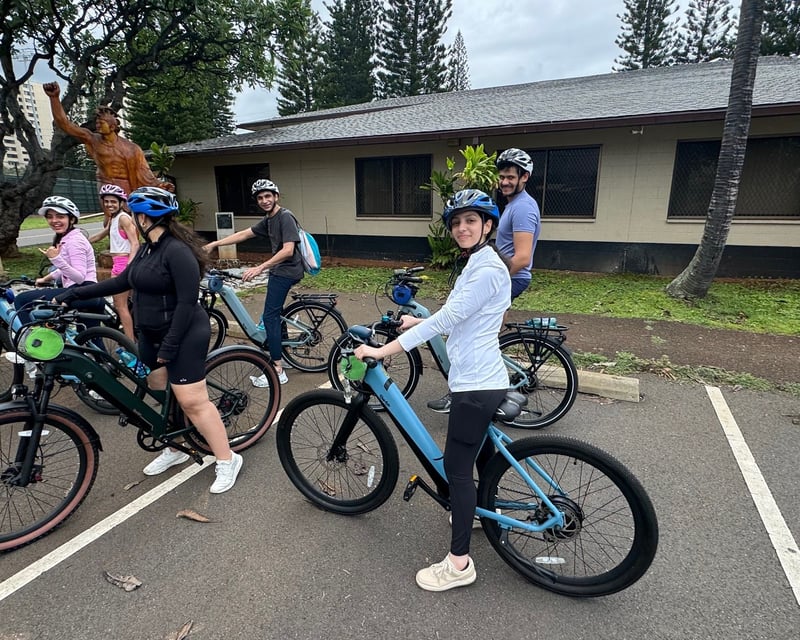
E-Bike & Hike Tour to Manoa Falls From Honolulu
E-bike 10 miles, hike 2 miles to Manoa Falls, then refuel at a local cafe
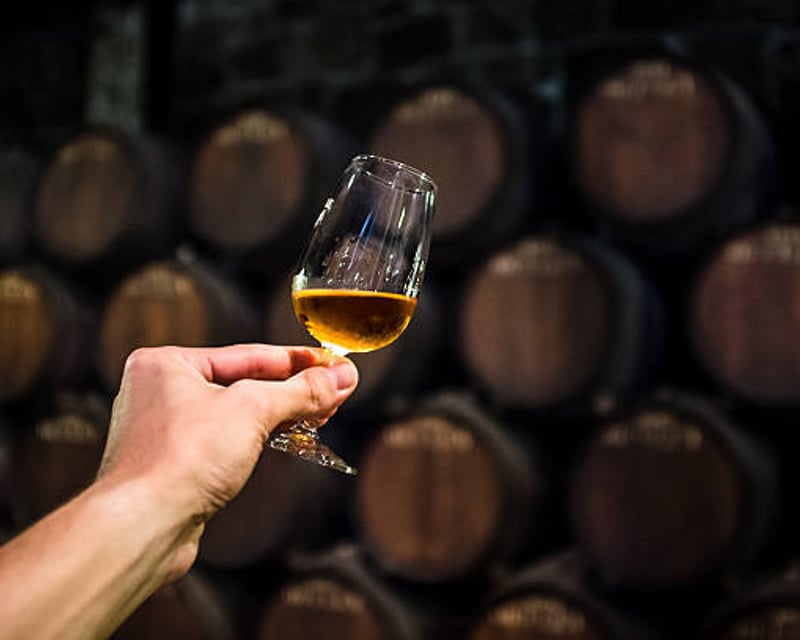
Tour & Taste Wine in Kailua
Taste six OENO wines and tour the production facility in Kailua
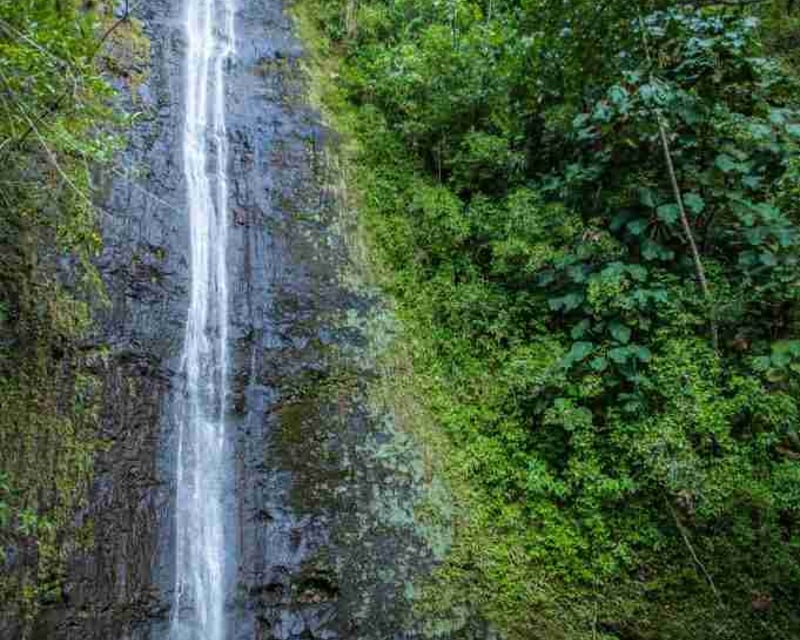
Guided Manoa Falls or Kalawahine Hike on Oahu
Choose Manoa Falls or Kalawahine and hike at your own pace
Chocolate & Wine Pairing in Kailua, O'ahu
Savor locally grown O‘ahu wine and chocolate in a guided pairing led by the winery team
Hike Manoa Falls & Downhill Bike Ride in Oahu
Hike to a 150-foot waterfall, then coast a 5-mile downhill rainforest ride