Things to do nearMoloka‘i
Moloka'i is Hawaii's most rural and unhurried island, known for its dramatic sea cliffs, ancient fishponds, and deeply rooted Native Hawaiian culture.
Moloka'i is the fifth-largest of the Hawaiian Islands and has long resisted the resort development that transformed its neighbors. The island's population remains small, and much of the land is devoted to ranching, small farming, and the preservation of Native Hawaiian practices that have continued here without interruption for centuries. The Kalaupapa peninsula, tucked beneath towering sea cliffs on the island's north shore, holds one of Hawaii's most sobering and moving historical sites, the former leprosy settlement where patients were isolated beginning in the 1860s and where Father Damien de Veuster devoted his life to their care.
The north shore's Napali-style pali cliffs rise more than 3,000 feet directly from the ocean, forming some of the most dramatic coastal scenery in the Pacific. Halawa Valley on the eastern tip preserves ancient heiau, or Hawaiian temples, alongside lush agricultural terraces and a pair of waterfalls reachable by guided hike with a local family. The island's south shore shelters a string of ancient Hawaiian fishponds, stone-walled enclosures built centuries ago to cultivate fish, several of which are being actively restored by community organizations today.
The small town of Kaunakakai serves as the island's commercial center, with a handful of locally owned restaurants and shops lining Ala Malama Street. Dining options lean toward plate lunches, fresh poke, and Filipino home cooking, reflecting the island's multicultural working-class heritage rather than resort cuisine. Sunsets from the western end of the island, near Papohaku Beach, one of Hawaii's longest white-sand beaches, are unhurried and spectacular.
Moloka'i is worth visiting because it offers an honest encounter with Hawaii as a living place rather than a curated destination, where the land, the culture, and the people remain genuinely connected to one another.
7-day forecast
Chance of rainTips for visiting Moloka‘i
Visit during the week if you want the beaches almost entirely to yourself, as even weekend local traffic is light by most standards.
Try the fresh bread from the Kanemitsu Bakery in Kaunakakai, a generations-old institution whose warm loaves have fed the island for decades.
Bring sturdy footwear if you plan to hike into Kalaupapa National Historical Park, as the steep mule trail demands good ankle support.
Arrive by early morning at Halawa Valley to absorb the silence before the heat of the day settles over the taro paddies and waterfall pools.
Pack more supplies than you think you need, since Moloka'i has limited grocery options and no large retail stores on the island.
Top tours & experiences near Moloka‘i
Sunset Cocktail Cruise From Ka'anapali Beach, Maui
2-hour Ka'anapali sunset cruise with appetizers and open bar
Sunset Dinner Sail in Maui
Sail at sunset with a catered dinner and complimentary premium bar
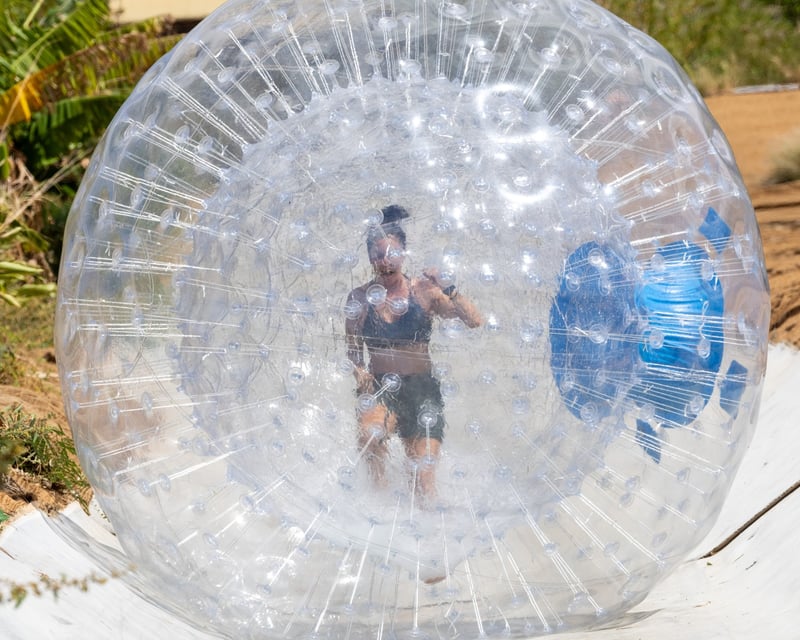
Roll in an Aquaball on Maui 450' Course
Roll inside a giant aquaball, then tour a USDA certified organic fruit farm
Sunset Dinner & Cocktail Cruise from Ma'alaea Harbor
Sail into sunset views with island music and drinks on a 55-foot catamaran
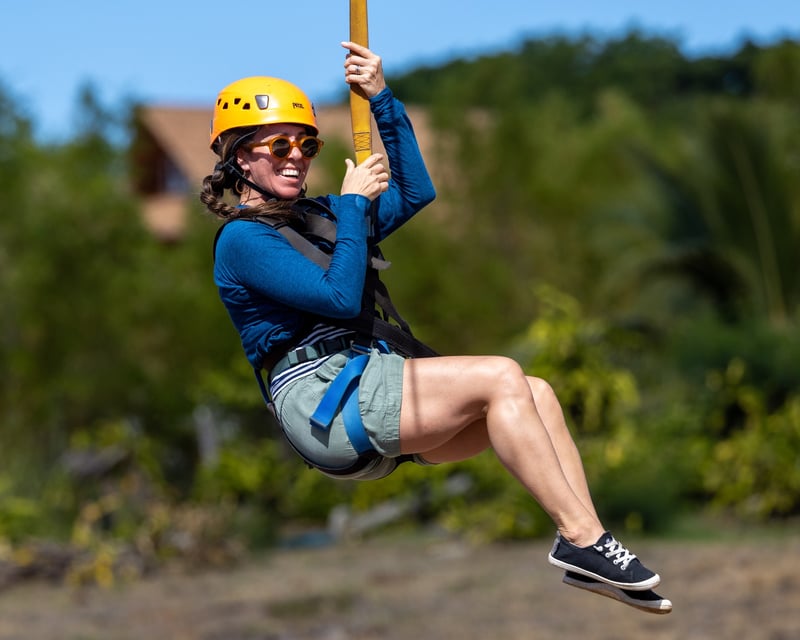
Zipline Over Dragon Fruit Fields in Lahaina
Zipline up to four times over a 450-foot dragon fruit field
Maalaea Harbor Whale Watching Cruise
Spot humpbacks from a spacious Hawaiian-built catamaran with hydrophones