Things to do nearNational Elk Refuge
The National Elk Refuge in Jackson, Wyoming, shelters one of North America's largest elk herds across a sweeping valley landscape shaped by the Tetons.
Established in 1912, the National Elk Refuge was created specifically to protect the Jackson elk herd after settlement and harsh winters drove the animals toward starvation. The refuge sits at roughly 6,200 feet in elevation within the broader Jackson Hole valley, flanked by the Teton Range to the west and the Gros Ventre Mountains to the east. Each autumn, elk migrate down from surrounding high country, including Grand Teton National Park and the Bridger-Teton National Forest, funneling into the refuge's protected lowlands for winter. The result is one of the largest elk winter concentrations in North America. The U.S. Fish & Wildlife Service manages the land, balancing supplemental feeding programs in severe winters with efforts to maintain natural forage through wetland restoration and native grass management.
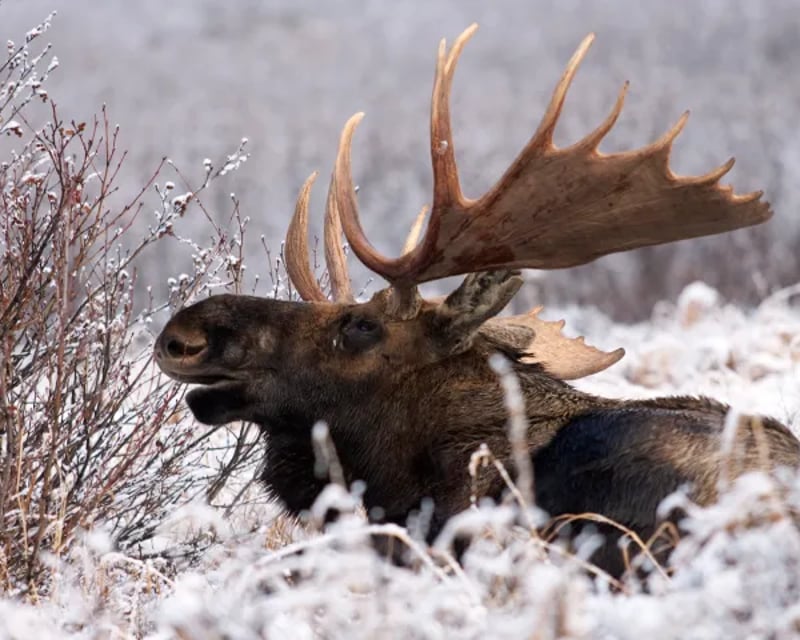
Beyond elk, the refuge supports a notable diversity of wildlife. Bison roam the southern sections, trumpeter swans rest on open water near Flat Creek, and bald eagles and other raptors hunt overhead. Summer and fall bring a quieter character to the land, with wildflowers across the meadows and the possibility of spotting pronghorn and sandhill cranes.
The refuge is open year-round and free to enter by foot or vehicle, though the sleigh ride program, operated in partnership with the Jackson Hole Wildlife Foundation, carries a fee. For anyone spending time in the Jackson area, the National Elk Refuge offers a rare and grounding encounter with wildlife at a scale that few protected areas in the lower 48 can match.
7-day forecast
Chance of rainTips for visiting National Elk Refuge
Visit between November and April to witness the peak elk congregation, when up to 7,500 animals gather on the refuge's winter range.
Take the horse-drawn sleigh ride offered during winter months for a close, unhurried view of the elk herd without disturbing the animals.
Bring binoculars or a spotting scope, as the refuge also supports bison, trumpeter swans, coyotes, and a variety of raptors worth scanning for.
Arrive early in the morning when wildlife is most active and the low winter light casts long shadows across the open valley floor.
Stop at the National Museum of Wildlife Art on the refuge's northern boundary for context on the region's natural and artistic heritage before or after your visit.
Top tours & experiences near National Elk Refuge
Sunrise or Sunset Wildlife Safari in Grand Teton
Search for wildlife with an expert guide in Grand Teton National Park
Sunset Wildlife Safari in Grand Teton National Park
Search for Teton wildlife in golden-hour light
Grand Teton Sunrise Wildlife Safari
Watch the Tetons light up while searching for wildlife at dawn
Private Winter Wildlife & Elk Sleigh Ride in Jackson Hole
Explore winter wildlife with a naturalist guide focused on your private group
Grand Teton Winter Wildlife Safari
Track winter wildlife with a naturalist in Grand Teton National Park
Full-Day Private Grand Teton Wildlife Tour & Sleigh Ride
Explore winter wildlife country with a naturalist guide and the comfort of a heated vehicle
Yellowstone Lower Loop Full-Day Tour From Jackson
Explore Yellowstone geysers, canyon falls, and scenic boardwalks with a guide
Jackson Hole Sunrise Wildlife Safari
Photograph winter wildlife with a guide in the Tetons and National Elk Refuge
Winter Wildlife, Art & Sleigh Tour in Jackson Hole
Explore winter wildlife country, wildlife art, and an open-air sleigh ride
Naturalist-Guided Snowshoe Tour in Jackson Hole
Discover winter ecology on a beginner-friendly snowshoe outing
Guided Winter Wildlife Tour in Grand Teton
Search for winter wildlife with a guide, picnic lunch, and horse-drawn sleigh ride
Grand Teton Private Winter Tour
Explore Grand Teton in winter with a private guide, wildlife viewing, and included park fees and meals
Take a Private Guided UTV Tour in Jackson Hole
Ride a private guided Polaris RZR through Gros Ventre terrain
Private Winter Wildlife Safari in Grand Teton National Park
Explore winter wildlife habitats with a naturalist guide at your own pace
Full-Day Grand Teton Winter Wildlife Tour & Sleigh Ride
Explore winter wildlife with a naturalist guide and the comfort of a heated vehicle
Sunset Wildlife Safari in Jackson Hole
Track winter wildlife through the Tetons with an expert guide at sunset
Winter Wildlife Safari in Grand Teton National Park
Explore winter gathering grounds for elk, bison, and their predators
Naturalist-Guided Wildlife & Ecology Hike in Jackson Hole
Discover winter ecology on a beginner-friendly snowshoe outing
Winter Wildlife Tour in Grand Teton
Search for winter wildlife with a private guide, a Teton picnic, and a horse-drawn sleigh ride
Private Full-Day Winter Wildlife Safari in Jackson Hole
Search for winter wildlife with a naturalist and high-definition viewing gear
Private Naturalist-Guided Snowshoe Tour in Jackson Hole
Discover winter ecology on a beginner-friendly outing tailored to your interests
Private Naturalist Wildlife & Ecology Tour in Jackson Hole
Explore Jackson Hole on snowshoes with a private route tailored to your ability and interests
Private Naturalist-Guided Nature Tour in Jackson Hole
Explore Jackson Hole’s winter backcountry on a snowshoe tour tailored to your interests and ability
Private Grand Teton Sunrise & Sunset Wildlife Tour
Discover winter wildlife with a naturalist on a private tour tailored to your interests