Things to do nearCharleston City Market
Charleston City Market is a historic open-air marketplace in Charleston, South Carolina, celebrated for its sweetgrass baskets, local crafts, and vibrant Southern character.
Charleston City Market has anchored the social and commercial life of Charleston, South Carolina, for nearly two centuries. Originally established in the early 1800s on land donated to the city with the stipulation that it remain a public market in perpetuity, the site has evolved from a provisioner of meats and produce into one of the South's most recognized artisan destinations. The market's four interconnected sheds run from Meeting Street toward the Cooper River, and the architecture itself, low-slung brick and timber structures with wide, airy openings, reflects the practical elegance of antebellum Charleston.
Inside, more than 300 vendors rotate through the stalls, offering sweetgrass baskets, hand-painted ceramics, jewelry, Civil War-era prints, and locally produced foods. The sweetgrass basket tradition is perhaps the most culturally significant element of Charleston City Market, rooted in the skills that enslaved West Africans brought to the Lowcountry and sustained by Gullah Geechee artisans whose families have practiced the craft for generations.
The Great Hall at the eastern end of the market houses a permanent collection of museum-quality exhibits that trace the history of the site and the city around it, giving visitors a grounded sense of what they are standing in the middle of. The atmosphere shifts through the day, from the calm of early morning when vendors arrange their goods, to the animated midday bustle of families, photographers, and curious browsers.
Charleston City Market earns its place as a cornerstone of any visit to Charleston because it offers something genuinely irreplaceable: a living cultural institution where heritage, craft, and everyday commerce still share the same roof.
7-day forecast
Tips for visiting Charleston City Market
Visit during the morning hours on weekdays for a quieter experience and more time to speak with individual vendors about their craft.
Try a bag of freshly made biscuits or a sample of local pralines from one of the food vendors near the Great Hall.
Bring cash, as many of the smaller artisan vendors prefer it and you may find room to negotiate on one-of-a-kind handmade items.
Watch the sweetgrass basket weavers at work and consider purchasing directly from them, as these pieces represent a Gullah Geechee tradition passed down through generations.
Combine your visit with a walk along nearby Rainbow Row or a stroll through Waterfront Park, both within easy walking distance of the market.
Top tours & experiences near Charleston City Market
Sunset Cruise in Charleston Harbor
Cruise Charleston Harbor at sunset with BYOB, music, and landmark views
2-Hour Charleston French Quarter Walking Tour
Walk Charleston’s French Quarter and South of Broad with a local guide
Charleston Haunted Evening Carriage Tour
Trace Charleston's haunted past by private carriage after dark
Kayak & Paddleboard Rentals In Shem Creek
Reserve a kayak or paddleboard rental on Shem Creek
Cruise Charleston Harbor & Take a Ghost Graveyard Tour
See Charleston by harbor cruise and after-dark graveyard walk
Cruise Charleston Harbor on a 90-Minute Tour
See 75+ Charleston landmarks on a narrated harbor cruise
Charleston Historic Bus Tour & Museum Admission
Explore Charleston's historic district with a museum or house tour included
Private Marine Biologist Nature Boat Tour in Charleston
Private wildlife boating tour with a marine biologist in Charleston
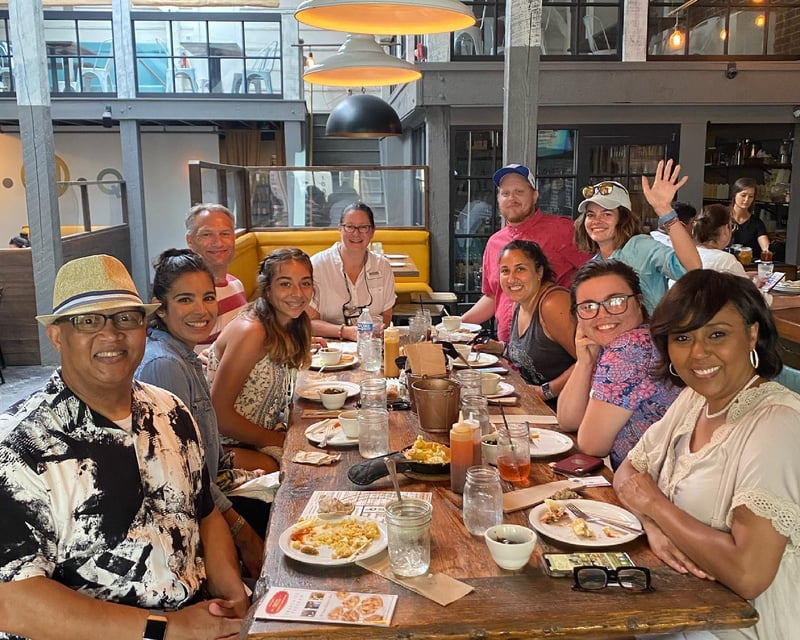
Lowcountry Walking Food Tour in Downtown Charleston
Taste iconic Lowcountry dishes on a guided walking food tour.
Lowcountry Food & History Tour Around Charleston City Market
Eat your way through Charleston’s French Quarter in 2.5 hours
Charleston Pirate History Guided Walking Tour
Trace Charleston’s pirate-era port through evidence, folklore, and waterfront streets
Charleston 1-Hour Carriage Tour
Explore Charleston history and architecture by narrated carriage
Explore Charleston Black History Guided Tour
Learn Charleston’s Black history and Gullah Geechee culture on a 2-hour guided tour
Charleston Alleyways & Hidden Passages Walking Tour
Walk Charleston’s hidden alleys and learn the city’s history in 2 hours
Ride a 45-Minute Ghost Carriage Tour in Charleston
Evening carriage ghost tour through downtown Charleston sites
Explore Charleston Family-Friendly Ghost Walking Tour
Walk Charleston’s haunted history in 1.5 hours, with museum admissions included
Charleston Day Trip from Myrtle Beach with Fort Sumter Views
Explore Charleston by land and water, with a harbor cruise and lunch
Narrated Charleston Harbor Lunch Cruise
Cruise Charleston Harbor with live narration and a gourmet box lunch
4.5-Hour Charleston & Boone Hall Plantation Bus Tour
Pair Charleston's historic sights with Boone Hall's house, gardens, and grounds
Private Sunset Boat Cruise in Charleston
Private Charleston sunset cruise for up to 6 guests
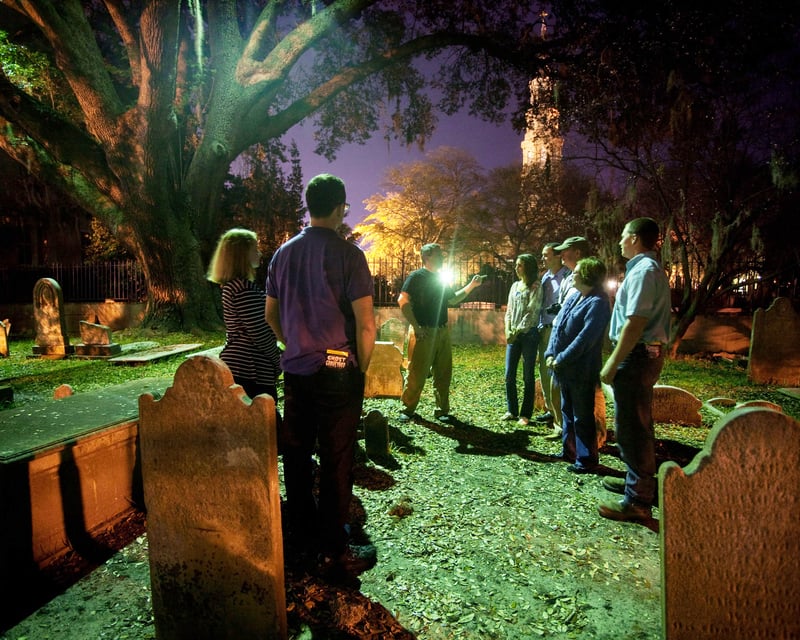
Charleston Ghost & Graveyard Walking Tour
Explore Charleston's oldest graveyard after dark on an exclusive guided walk
Explore Charleston Pubs & Taprooms History Walking Tour
Walk Charleston’s French Quarter pubs with three drinks included
Charleston Haunted History Bar Walking Tour
Trace Charleston's 1870–1940 stories through historic bars and haunted lore
Private Historic Charleston Tour by Luxury Car
Explore Charleston's history through grand mansions, old churches, and tucked-away lanes