Things to do nearFort Dade
Fort Dade is an abandoned military fortification on Egmont Key in Florida, drawing visitors with its crumbling brick ruins, wild shoreline, and rich Gulf Coast history.
Fort Dade was constructed beginning in the late 1890s on Egmont Key, a small barrier island at the mouth of Tampa Bay, as part of the Endicott System of coastal defenses that modernized American military fortifications following the Civil War. The installation was named for Major Francis Dade, an Army officer killed in the Second Seminole War. During the Spanish-American War of 1898, the fort served as a detention site for Cuban and Spanish prisoners, and the island also housed a quarantine station for soldiers returning from Cuba.
Today visitors explore a landscape of deteriorating concrete gun batteries, ammunition magazines, and the foundations of barracks and officer quarters. The structures are slowly being swallowed by sand and vegetation, which gives Fort Dade a genuinely atmospheric quality unlike more manicured historic sites. A network of brick-paved streets, now largely buried or fractured by roots, once connected the buildings of what was a self-sufficient military community housing hundreds of soldiers.
The 1858 Egmont Key Lighthouse stands at the island's north end and remains an active aid to navigation, adding a picturesque counterpoint to the fort ruins. The surrounding waters are popular for snorkeling, and the beaches on the island's western side are consistently calm and clear. Dolphins and seabirds are common sights along the shoreline.
Fort Dade represents a layered piece of Florida history that spans the Seminole Wars, the Spanish-American War, and the early twentieth century, all compressed into a small island that most people pass without noticing. The combination of genuine ruins, protected wildlife, and Gulf Coast scenery makes it a destination well worth the effort of the crossing.
7-day forecast
Tips for visiting Fort Dade
Take the ferry from Fort De Soto Park or St. Petersburg, as Egmont Key is accessible only by boat and no private vehicles are permitted on the island.
Visit in the cooler months between October and March to avoid the intense summer heat and humidity that can make walking the sandy trails uncomfortable.
Bring sturdy water shoes, as the paths between ruins can be uneven and the shoreline entry for swimming is rocky in spots.
Look for gopher tortoises along the interior trails, as Egmont Key is a protected wildlife refuge and the tortoises roam freely around the old fort structures.
Carry all food, water, and supplies you need for the day, since there are no concessions or facilities on the island beyond basic restrooms near the dock.
Top tours & experiences near Fort Dade
Private Egmont Key Boat Trip From Bradenton Beach
Make Egmont Key your private beach day
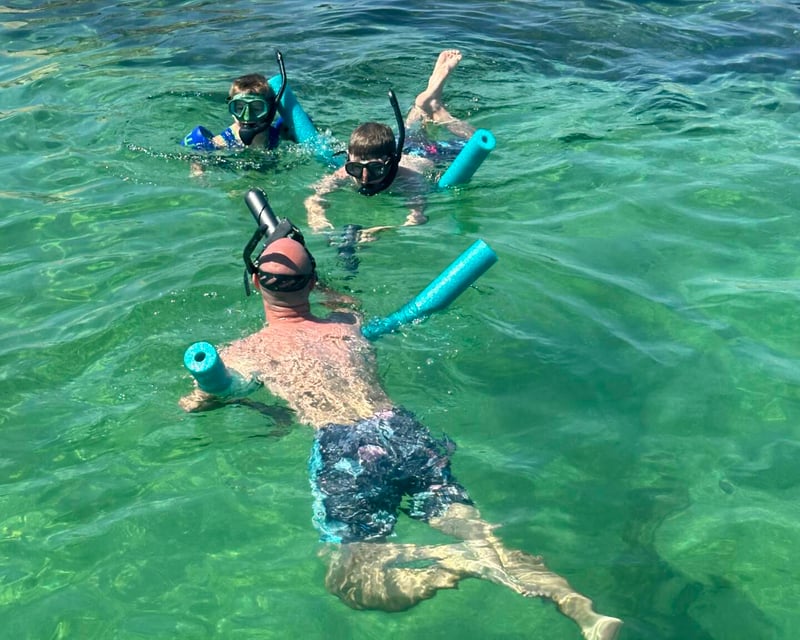
Private Egmont Key Boat Tour & Snorkel from Holmes Beach
Discover island history and white-sand shores at the mouth of Tampa Bay
Snorkeling Charter to Egmont Key State Park
Explore historic ruins and snorkel submerged batteries on a private Egmont Key charter
Egmont Key Snorkeling Cruise
Snorkel Fort Dade ruins and explore Egmont Key’s shores
Private Egmont Key Boat Tour to Fort Dade & Lighthouse
Cruise to Egmont Key State Park to explore Fort Dade and beachcomb for shells
Guided Snorkeling Charter at Egmont Key
Cruise to historic fort ruins for snorkeling and island exploration
Anna Maria Island Private Party Boat with Water Slide
Customize a double-decker day on the water with a slide, sound system, and captain
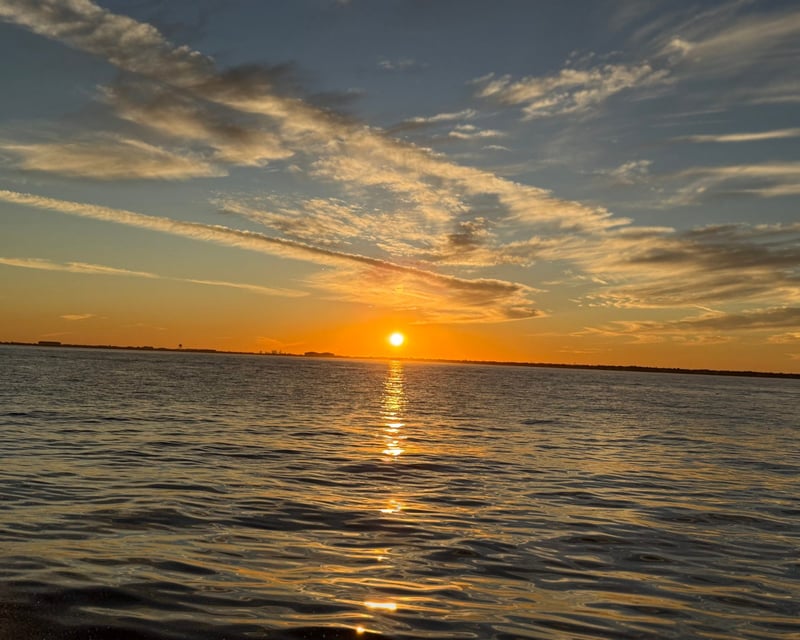
Private Tampa Bay Sunset Cruise from Holmes Beach
Discover island history and coastal nature on a private sunset cruise
Private Egmont Key Boat Tour to Fort Dade Ruins
Explore Fort Dade ruins, a historic lighthouse, and Gulf Coast wildlife
Egmont Key Boat Tour & Fort Dade Ruins Snorkel
Discover island history above and below the water
Cruise From St. Pete Pier to Egmont Key
Ferry from St. Pete Pier to Egmont Key with time to explore beaches and ruins
Cruise to Egmont Key State Park on a 4-Hour Tour
Cruise to Egmont Key for shelling, snorkeling, and a Florida state park stop
Egmont Key Boat Tour & Fort Dade Ruins Snorkel
Explore island history above and below the water
4-Hour Private Charter to Egmont Key State Park
Cruise to Egmont Key for shelling, snorkeling, and beach time on a private boat
Private Egmont Key Excursion & Fort Dade Snorkeling
Discover island history on land and beneath the water
Private Egmont Key Boat Tour & Fort Dade Snorkel
Explore island history above and below the water