Things to do nearLaLaurie Mansion
LaLaurie Mansion is a notorious New Orleans, Louisiana landmark known for its haunting past, striking Creole architecture, and enduring place in American history.
LaLaurie Mansion was built in the early nineteenth century and became the residence of Delphine LaLaurie, a prominent New Orleans socialite whose standing in Creole society made the events of 1834 all the more shocking. That year, a fire at the property led rescuers to discover evidence of severe abuse of enslaved people held in the mansion, triggering one of the most violent mob responses the city had seen. Delphine LaLaurie fled New Orleans and never returned, but the building she left behind became permanently woven into the city's historical memory.
The mansion itself is a substantial example of Creole neoclassical architecture, with a raised basement, tall windows, and the kind of measured symmetry that defined elite construction in antebellum New Orleans. Over the decades it has served many purposes, including a school, a music conservatory, and private residences, each chapter adding texture to a building already saturated with history.
Today LaLaurie Mansion is a privately owned residence and cannot be entered by the public, but its Royal Street exterior draws a steady stream of visitors drawn by history, architecture, and the city's deep tradition of ghost lore. Evening walking tours regularly stop here, and guides tend to balance the documented historical record with the oral traditions that have accumulated over nearly two centuries.
For anyone serious about understanding New Orleans beyond its festive surface, LaLaurie Mansion offers a confrontation with the city's antebellum history that is direct, specific, and impossible to reduce to simple narrative. It stands as a reminder that the built environment carries memory whether or not we choose to read it.
7-day forecast
Tips for visiting LaLaurie Mansion
Visit during the day for the best view of the mansion's Creole neoclassical exterior and to photograph the ironwork details without crowds blocking the sidewalk.
Join a French Quarter ghost tour in the evening, as most reputable walking tours include a stop at LaLaurie Mansion with guides who cover both the documented history and the folklore.
Wear comfortable shoes, since Royal Street is best explored on foot and the surrounding blocks are dense with historic architecture worth pausing to examine.
Pair your visit with a stop at the nearby Old Ursuline Convent, one of the oldest surviving buildings in the Mississippi Valley and a short walk from the mansion.
Research the history of Delphine LaLaurie before you arrive so the details shared by tour guides land with fuller context and the site itself feels more meaningful.
Top tours & experiences near LaLaurie Mansion
French Quarter Ghost Tour with Live Accordion Music
Follow ghost stories through the Quarter with a live musical score
Ghost Tour of the French Quarter
Follow dark French Quarter tales with a licensed guide and Haunted Sanctuary access
New Orleans Ghost Tour Inside Haunted Locations
Step beyond the French Quarter streets to explore New Orleans' haunted history
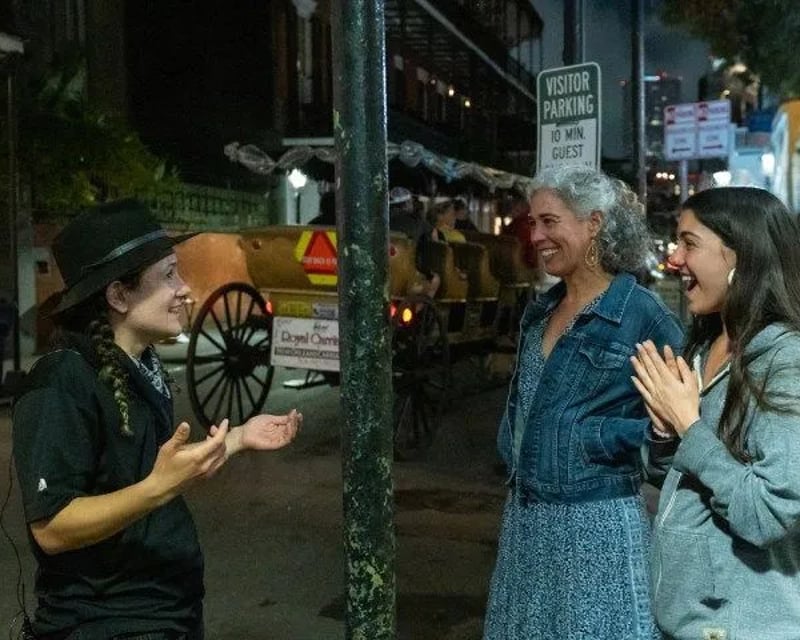
Explore the French Quarter on a 2-Hour Ghost Tour
2-hour French Quarter ghost walk with true-event stories in a small group
2-Hour French Quarter Ghost & Dark-History Tour
Walk the French Quarter’s haunted mile with a small-group ghost and dark-history guide
French Quarter Haunted Walking Tour
Hear French Quarter hauntings, true crime, and Voudou history with a local guide
Adults-Only Ghost, Vampire & Voodoo Tour in New Orleans
Explore the French Quarter's darker lore with guides rooted in local occult communities
Explore French Quarter Witchcraft & Voodoo Ghost Tour
Walk the French Quarter and explore Voodoo, witchcraft, and haunted history
Ride a 1-Hour Haunted French Quarter Carriage Tour
Hear French Quarter ghost stories on a 1-hour night carriage ride
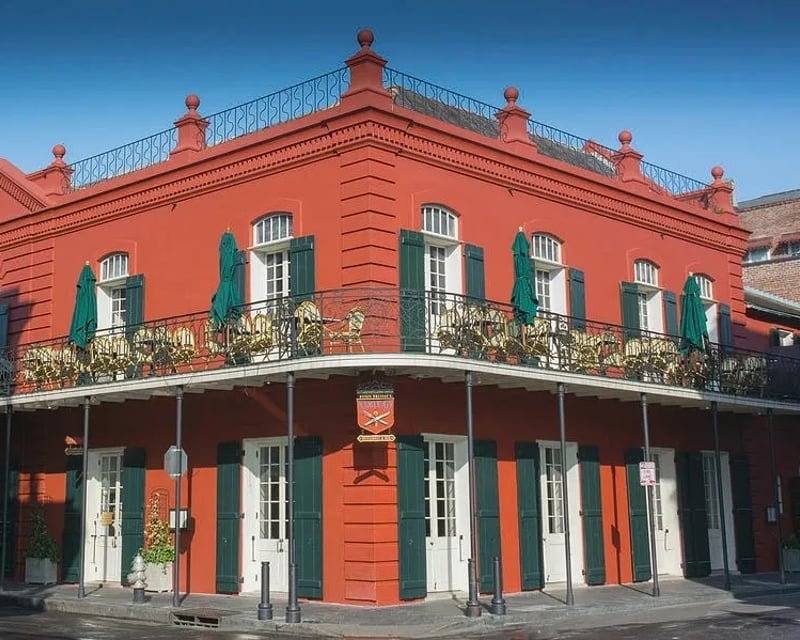
Explore a 2-Hour French Quarter Ghost Walking Tour
Walk the French Quarter with a local guide and hear New Orleans ghost lore in 2 hours
After-Dark New Orleans Ghost Hunt & Cemetery Tour
Investigate haunted homes, cemeteries, and voodoo sites by van after dark
Haunted History Walking Tour in New Orleans French Quarter
Discover the darker side of the French Quarter through history and haunting tales
Ghost Pub Crawl & Dark History Walk in New Orleans
Discover local-favorite bars with a side of New Orleans ghost stories
New Orleans Adults-Only Ghost Walking Tour
Uncensored adults-only tales from New Orleans' dark past
Haunted Pub Crawl Guided Tour in New Orleans
Walk the French Quarter and hear haunted history at iconic bars
New Orleans French Quarter Ghost Tour
Hear 300 years of haunted French Quarter tales with an expert guide
French Quarter Ghost Walking Tour in New Orleans
Discover dark history through a storyteller's tales of old New Orleans
French Quarter Haunted History Tour
Walk haunted French Quarter streets on a tour tailored to your interests
French Quarter Ghost, Voodoo & Vampire Walking Tour
Dark French Quarter stories led by a professional guide
Voodoo, Vampire & Ghost Walking Tour in New Orleans
Walk the French Quarter and hear New Orleans ghost, pirate, voodoo, and vampire stories
Cemetery & Voodoo Tour of New Orleans with Anne Rice Sites
Trace New Orleans tales of Voodoo, vampires, saints, and cemeteries